Ricardinho.
A life dedicated
to seeing the game.
Olympic champion. Two-time world champion.
Setter and captain of a generation that left its mark on Brazilian volleyball.
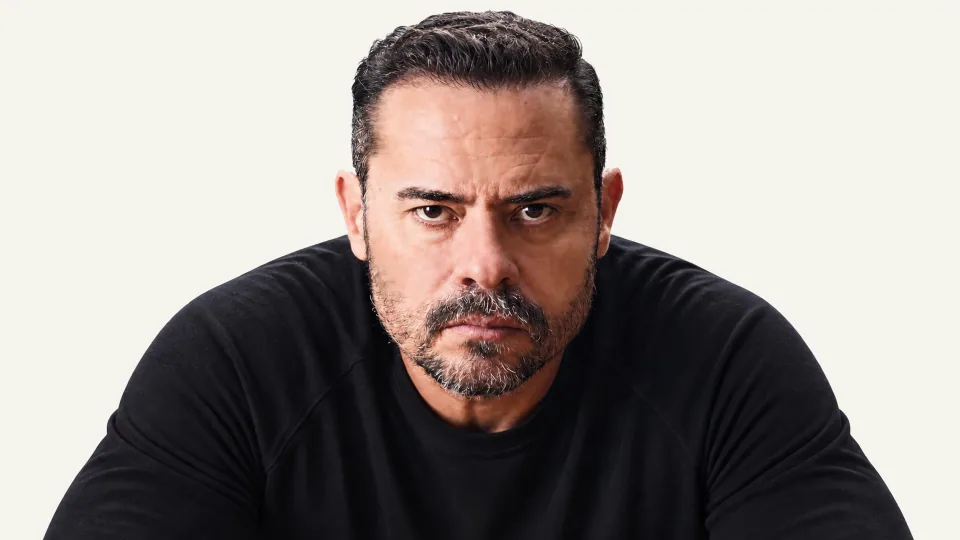

THE STORY
STARTS
LONG BEFORE.
- Name
- Ricardo Bermudez Garcia
- Born
- 19 November 1975
São Paulo, Brazil - Position
- SETTER
Before becoming the national team’s number 17, Ricardinho was a boy discovering a new path through volleyball.
His introduction to the sport came in childhood. Training, youth teams and, gradually, recognition followed. But his career was not an uninterrupted sequence of call-ups and victories.
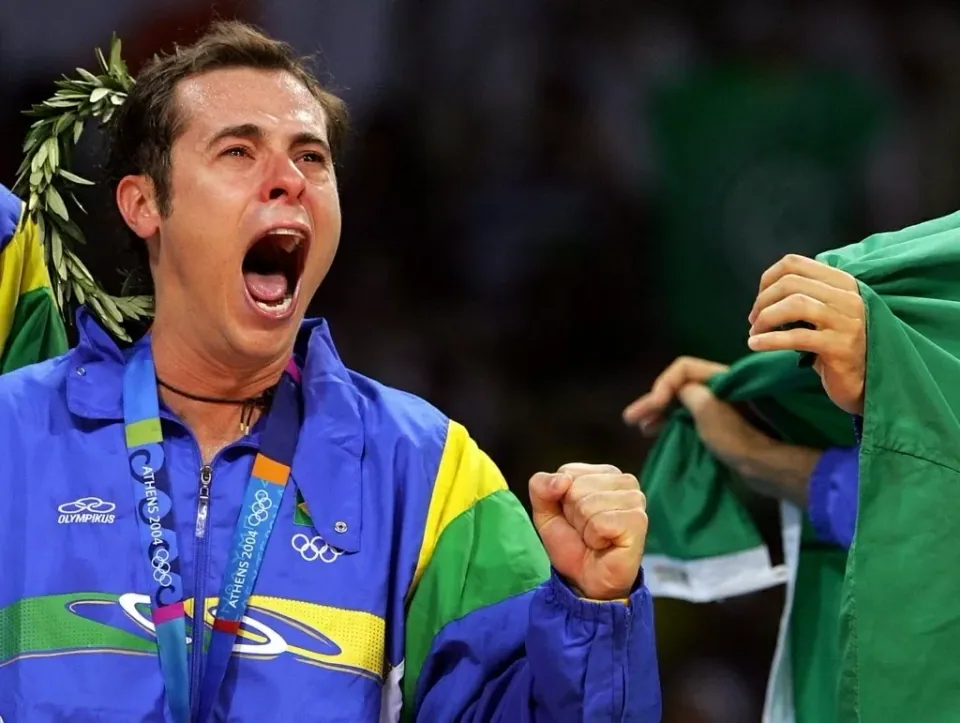
In the late 1990s, there was uncertainty about continuing. Years later, the emotion on the Olympic podium would also carry the memory of that period. Gold alone does not tell the story: you need to look at everything that came before it.
Sources and records of the journey ↓A PLACE
TO EARN.
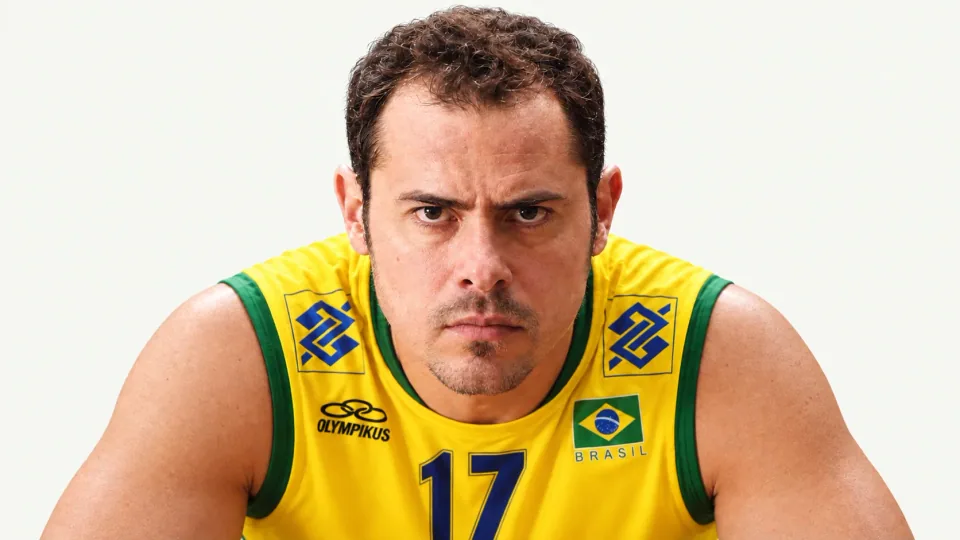

The number 17 jersey, a hallmark of his national team career.
- CHILDHOOD
The first encounter with the court
Volleyball enters his life on medical advice, after surgery to remove a benign tumour from his left leg. At nine years old, he starts a path that would become his profession.
- 1995
A talent reaching the world
He is named best setter at the Junior World Championship in Malaysia. Recognition at youth level opens the way for the next steps.
- 1997
The first senior call-up
He receives his first opportunity in Brazil’s senior national team. Arriving does not mean a guaranteed place: there is still a spot to earn.
- 1999
Continuing was also a decision
Without a club, he considers leaving the sport. With his wife’s support, he stays in volleyball. The journey to the top also includes this new beginning.
- 2001—03
A generation establishes itself
He wins the 2001 World League and is part of Brazil’s first men’s World Championship title in 2002, in Argentina. In 2003, he becomes the starting setter, winning another World League and the World Cup.

ONE DREAM.
ONE TEAM.
OLYMPIC GOLD.
In Athens, Ricardinho is the starting setter of the Olympic champion team. In the final against Italy, Brazil wins gold.
His quick reading of the game and ability to involve different attackers helped set the team’s tempo. Behind every set was a decision that connected everyone’s work.
Athens 2004 · Men’s volleyball · Brazil
Athens 2004
London 2012
2002 · 2006
World League
INDIVIDUAL
RECOGNITION.
- 2004
Best setter
Athens Olympic Games
- 2005
Best setter
World Grand Champions Cup
- 2007
MVP — Most valuable player
World League
THE MAN WHO
MADE THE GAME FASTER.
The ball left Ricardinho’s hands and the opponent already had to decide. Often, there was no time.
By making his sets faster, Ricardinho shortened the time between building the play and attacking. The block had to move and organise itself more quickly. With precision and variation, he created opportunities before the defence was ready.
It was not just about speeding up the ball. It was about reading the game, knowing the attackers and maintaining coordination even far from the net. Alongside a historic generation of Brazil’s national team, he helped make speed a hallmark of Brazilian volleyball — and a reference for the world.
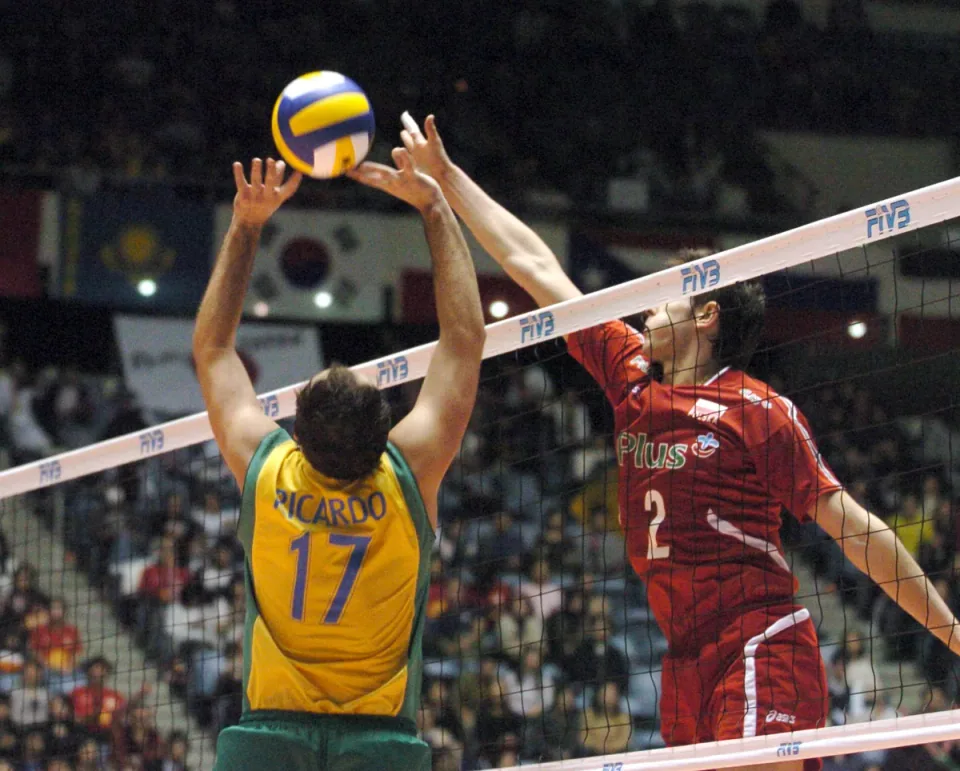

“It was a turning point that changed how volleyball was played around the world.”
ONE PLAY.
A DIFFERENT TEMPO.
The 2006 World Championship semi-final. Against Serbia and Montenegro, in the fourth set, Ricardinho chases a ball beyond the baseline and sets André Nascimento at speed on the right side of the net.
What looked like improvisation had been prepared. In an interview with UOL, Ricardinho said the play had been practised, with mistakes and repetition, and that André was already expecting that set. Read Ricardinho’s account ↗
THE GAME
CONTINUED.
His career also spanned clubs and countries. In Brazil, Ricardinho played for teams such as Banespa, Suzano, Minas and Vôlei Futuro. In Italy, he represented Modena and Treviso.
After Athens came new titles, time away from the national team, a return to the Olympic Games and the building of a project beyond the court.
- 2006
Brazil becomes a two-time world champion
In Japan, he takes part in another World Championship victory. The 2002 title is no longer an isolated achievement: that team wins again on volleyball’s biggest stage outside the Olympic Games.
- 2007
The World League’s most valuable player
He is named the competition’s MVP. He completes a cycle of six World League titles: 2001, 2003, 2004, 2005, 2006 and 2007.
- 2012
The return. Another Olympic medal.
After five years away from the national team, he returns for the London Games. Brazil reaches the final, and Ricardinho adds Olympic silver to his story.
- 2013
A project in Maringá
He starts the Maringá Vôlei project, combining playing on court with building a team. His experience begins to extend into management too.
- 2018
The farewell as a player
On 18 July, aged 42, he announces his retirement. After playing for Maringá in the Superliga, he turns to club management and development work.
NOW,
WATCH THE GAME.
Words tell the journey.
The plays show the setter.
Watch Ricardinho’s speed, choices and precision on court again.
Notice where he looks before contact, how he positions himself under the ball and how he creates different attacking possibilities.

THE EXPERIENCE
DOES NOT STOP
WITH HIM.
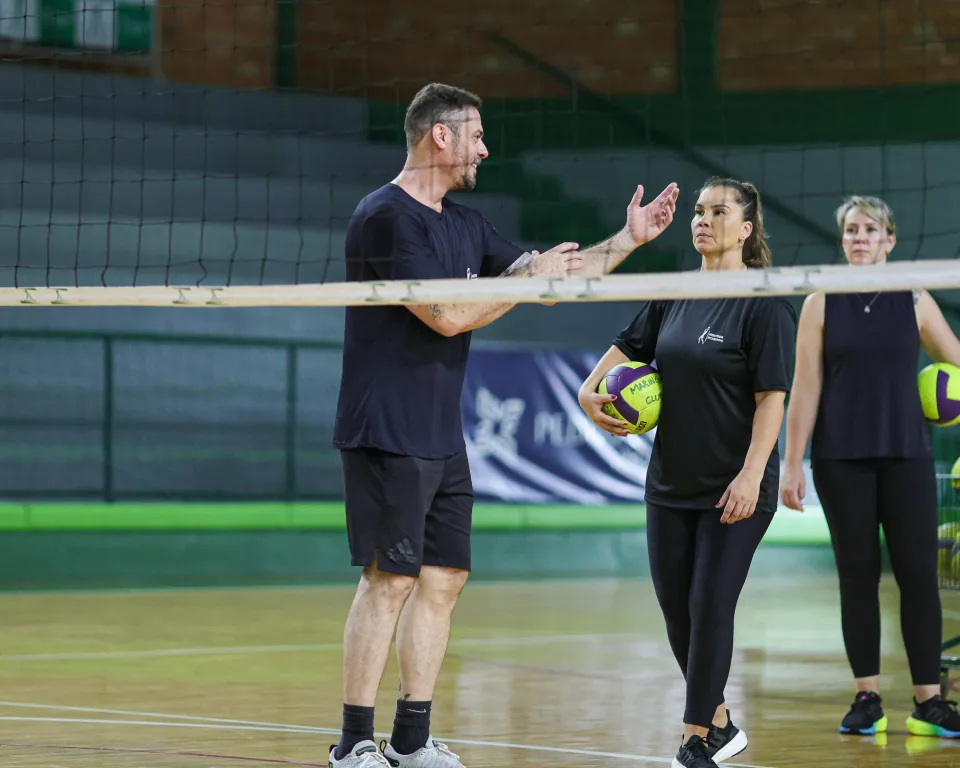
Leaving competition did not end his relationship with volleyball. The court remains a place for connection, teaching and development.
Today, at R17, Ricardinho shares that experience through training programmes, mentoring and in-person experiences. The knowledge of someone who lived at the highest level now helps athletes, coaches and teams build their own path.